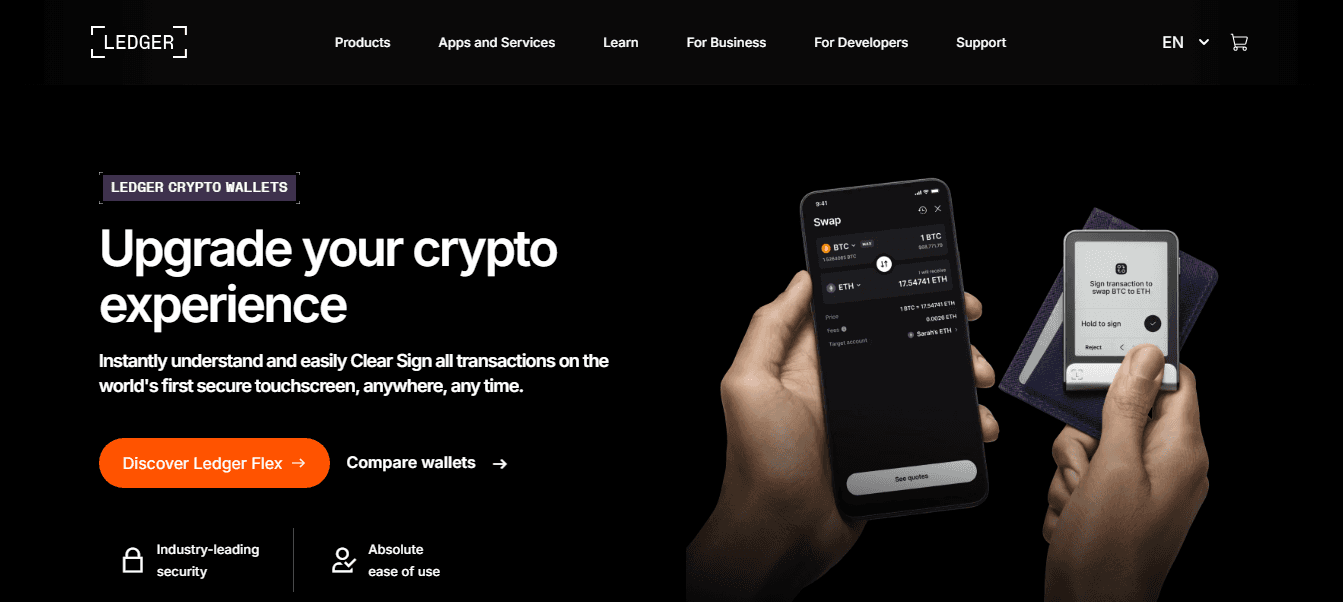
Ledger Live: A Detailed 1200-Word Guide
Ledger Live is the official management application built to work with Ledger hardware wallets. It serves as a digital command center where users can view their portfolios, organize accounts, track activity, and engage with supported networks in a safe and streamlined way. Although Ledger hardware devices are responsible for keeping private keys offline, Ledger Live provides the interface that makes monitoring and managing assets accessible, organized, and user-friendly. This guide explains the purpose, structure, features, and benefits of Ledger Live in a clear and complete way.
What Ledger Live Represents in the Ledger Ecosystem
Ledger Live works as the bridge between a user's device and the blockchain networks they interact with. While the hardware wallet stores key information securely, Ledger Live takes care of presentation, navigation, and communication. The app itself is not a wallet in the traditional sense; it does not hold private keys or sensitive data. Instead, it displays information based on what is stored in the hardware wallet and communicates with supported networks to keep the user informed.
By placing essential information in a single interface, Ledger Live makes it easier to stay organized, track performance, monitor activity, and maintain control of multiple digital assets without relying on external online platforms.
The Ledger Live Interface: Designed for Clarity
One of the key strengths of Ledger Live is its layout. When users open the application, they are greeted with a clean interface divided into clear sections. This helps avoid confusion by placing important information exactly where users expect it to be.
The dashboard offers a snapshot of the portfolio, including values, changes in balance, and recent movements. Each section of the interface focuses on a specific task—managing accounts, reviewing activity, adjusting settings, or connecting with the hardware wallet. These organized sections help users navigate without requiring advanced technical experience.
The goal of the interface is simplicity: to show essential information in a way that is visually accessible, easy to understand, and comfortable for regular use.
How Ledger Live Handles Accounts and Assets
Accounts are one of the most important elements of Ledger Live. Each account represents a specific type of digital asset or a network. When users add an account, Ledger Live begins tracking it and displaying relevant information from the blockchain.
The application can support numerous account types, and users can categorize them according to their preferences. This helps keep everything organized, even for users who manage a diverse range of assets.
Within each account, the user can:
View balances
Review past activity
Access transaction details
Organize multiple addresses
Monitor synchronization with the network
Ledger Live acts as a viewer for this information, gathering it from the blockchain and presenting it in a readable structure. This keeps the user informed without exposing private data.
Security Model: How Ledger Live Works With Hardware Devices
Ledger Live follows a security model where the application handles visual tasks while the hardware wallet handles sensitive tasks. This division reinforces protection by ensuring that private keys never leave the physical device.
Some aspects of this security model include:
Offline Key Storage
Private keys remain on the hardware wallet, protected by device-level security. Ledger Live never has access to them.
Device Confirmations
Even if a transaction is prepared in Ledger Live, it cannot be completed without confirming details on the hardware device. This protects users from hidden manipulations.
Local Operation
Ledger Live runs on the user's device, not in the cloud. This helps prevent unauthorized remote access.
Secure Communication
The app verifies that it is communicating with a genuine hardware wallet, helping reduce risks of fake devices.
This structure ensures that the user maintains full control and that actions involving sensitive data require physical confirmation.
Portfolio Overview and Insight Tools
Ledger Live includes an in-depth portfolio section where users can monitor the overall performance of their holdings. This section provides visual graphs and summaries that show how the portfolio value has evolved over time.
Users can look at different time frames to understand trends and fluctuations in their portfolio. While the app does not offer advice or predictions, it organizes information in a way that helps users stay informed and aware of changes.
This portfolio tracking feature is especially useful for users who manage multiple accounts or hold several types of digital assets.
Transaction Tracking and History
Another valuable feature of Ledger Live is its clear and detailed transaction history. Every action—whether sending or receiving assets—gets recorded and organized in a timeline format within the interface.
Ledger Live displays each transaction with:
Status indicators
Unique identifiers
Confirmation levels
Amounts involved
Dates and times
This allows users to verify actions, review past activity, or simply keep organized records. The clarity of the transaction history helps users stay aware of everything happening within their accounts.
Connection, Setup, and Device Interaction
When interacting with Ledger hardware wallets, Ledger Live plays a crucial role. Although users rely on the hardware device for approvals, the application is responsible for guiding the interaction.
When the device is connected:
Ledger Live detects it
The application checks whether the device is genuine
It displays security options
It updates the interface based on connected accounts
This environment ensures that each interaction is smooth, protected, and aligned with the hardware wallet's security principles.
Settings and Configuration
Ledger Live includes a settings area where users can customize various aspects of their application environment. This area contains options for display preferences, language selections, device verification tools, and application-level choices.
Within settings, users can:
Adjust themes
Control notifications
Manage experimental features
Review device information
Access support resources
These customization options allow users to mold the application to their workflow and preferences.
Application Reliability and Updates
Ledger Live receives ongoing improvements through regular updates. These updates may include new features, security enhancements, performance adjustments, or expanded asset support. Staying updated helps users enjoy a smooth experience while benefiting from the latest improvements.
Since Ledger Live works locally, updates are installed directly on the device, maintaining the offline-first protection model. The update process aims to be simple and straightforward.
Why Ledger Live Stands Out in Digital Asset Management
Ledger Live’s strength comes from blending security and organization. It allows users to manage their digital assets without exposing sensitive data and without relying on cloud accounts. Some of the most notable advantages include:
An intuitive and well-structured interface
Strong integration with hardware wallets
Clear portfolio and activity insights
Local operation for enhanced security
Visual clarity for accounts and transactions
Support for a wide range of networks
This combination creates a powerful yet approachable environment that appeals to both newcomers and experienced users.
Ledger Live as a Confidence-Building Tool
For many users, Ledger Live becomes more than just an application—it becomes a central point of organization and understanding. It simplifies the process of viewing, tracking, and reviewing assets while maintaining a protection-focused structure.
Because of this, Ledger Live helps create confidence. Users know that their private keys remain safe within their hardware device, while the app provides an easy way to stay informed about their holdings.
Conclusion
Ledger Live is a comprehensive, user-friendly, and security-oriented application designed to work seamlessly with Ledger hardware wallets. By offering clear portfolio views, detailed activity tracking, structured account management, and a protective interaction model, the application provides a dependable way to oversee digital assets. Its design focuses on clarity, control, and confidence, ensuring that users can manage their holdings without unnecessary complexity.